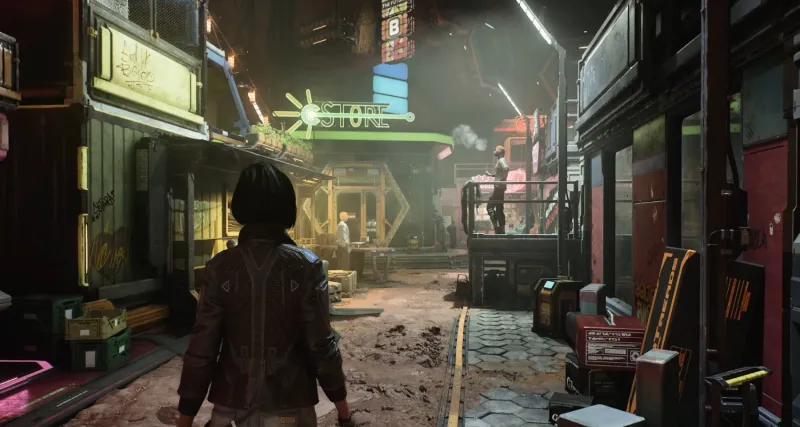
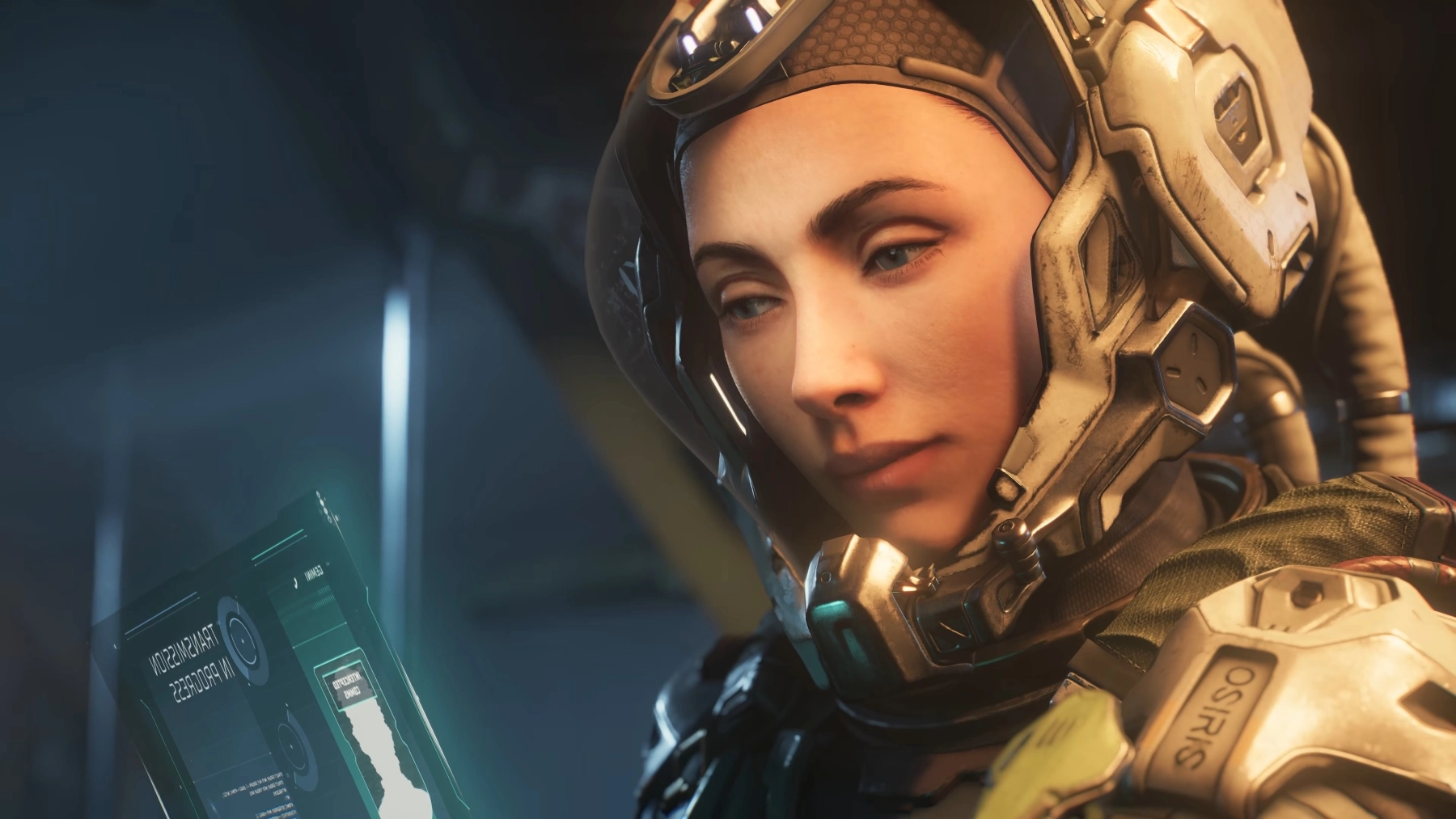
As The Expanse: Osiris Reborn prepares to enter the world of sci-fi RPGs, plenty of questions still surround Owlcat Games' upcoming title. From the legacy of Mass Effect and exploration across the solar system to romances, tactical combat, and console performance, our editorial team secured an exclusive interview with Leonid Rastorguev, Game Design Director, and Alexey Drobyshevsky, CTO at Owlcat Games. Both developers shared new details about their ambitions for this spacefaring RPG.
Sci-fi fans are already familiar with the universe of The Expanse, thanks to the novels by James S. A. Corey and the television adaptation. With The Expanse: Osiris Reborn, Owlcat Games aims to tell its own story within that setting, drawing on its experience with narrative RPGs and meaningful choices and consequences.
To learn more about the studio's vision, our editorial team had the opportunity to ask the developers 11 exclusive questions.
An estimated 30-hour playthrough, multiple endings, three character origins, romance options, semi-open exploration, and technical targets for PS5, Xbox Series, and PC: their answers offer a closer look at what players can expect.
Below is our full conversation with Leonid Rastorguev, Game Design Director, and Alexey Drobyshevsky, CTO at Owlcat Games. This interview was originally conducted in English, and the developers' responses are presented here in their original wording.
The Expanse: Osiris Reborn and the legacy of Mass Effect
It's hard to see the first images of The Expanse: Osiris Reborn without thinking of Mass Effect. We asked Owlcat Games directly about that comparison, along with the consequences of player choices and potential Steam Deck support.
Many players have already compared The Expanse: Osiris Reborn to BioWare’s Mass Effect series. Do you welcome that comparison? What are your main inspirations, and what will set Osiris Reborn apart and give it an identity of its own?
Of course, many of us grew up playing Mass Effect, and we have a lot of love and respect for the series. So we certainly don't mind the comparisons. It's a great franchise, and being compared to it is a compliment.
At the same time, The Expanse: Osiris Reborn is very much our own game, built around Owlcat's approach to RPG design and narrative. We're bringing our experience with complex storytelling, meaningful choices and consequences, companion relationships, and detailed worldbuilding into a new format. We want to create the kind of RPG experience we've always loved making, just from a different perspective and with a more cinematic approach.
And of course, we hope that Mass Effect fans will enjoy Osiris Reborn as well. The recent news about BioWare's closure and the cancellation of the next Mass Effect is heartbreaking, and we share the disappointment of fans around the world. BioWare has given us so many unforgettable experiences over the years, and we sincerely hope that our game can bring that same sense of excitement and adventure to players.
Leonid Rastorguev
Owlcat Games is known for deep RPG systems and meaningful player choices. In Osiris Reborn, could our decisions significantly alter the story, character relationships, or even its ending? Should players expect substantially different outcomes?
Absolutely. Choices and consequences have always been at the heart of our approach to RPGs, and The Expanse: Osiris Reborn is no exception. We want players to feel that this is their story, shaped by their decisions rather than simply a narrative they're following.
I'm not ready to go into detail about the endings just yet, but I can confirm that there will be multiple endings. And not every meaningful choice has to affect the fate of the entire universe. Some decisions may determine what happens to secondary characters, while others will influence your relationships with companions, whose personal stories aren't entirely linear either.
Ultimately, our goal is to make players feel that their choices matter, both in the larger story and in the lives of the people they encounter along the way.
Leonid Rastorguev
More and more players enjoy RPGs on handheld PCs, particularly Valve’s Steam Deck. Are you aiming for optimized Steam Deck support or Steam Deck Verified status at launch? Have you already tested the game’s performance on the device?
We’re certainly interested in running the game on handheld platforms, but it’s not our primary goal. Most probably, at release Osiris Reborn will not be Steam Deck Verified, and it will definitely run there, but maybe not be as great as possible. We have tested the game on handhelds, of course, and right now the performance is pretty bad - but that’s to be expected, because we’re working on it every day now, and it’s improving constantly!
Alexey Drobyshevsky
The Expanse: Osiris Reborn
Exploring the solar system, companions, and tactical combat
With its planets, space stations, and settlements, the world of The Expanse offers plenty of possibilities for an RPG. We asked Owlcat Games about freedom of exploration, relationships between crew members, and the transition to real-time, third-person combat.
The Expanse offers a vast and fascinating setting. How much freedom will players have to explore stations, planets, and settlements? Will exploration be relatively open, or will the experience focus on carefully crafted, story-driven locations?
As I've mentioned in previous interviews, The Expanse: Osiris Reborn has a semi-open structure. At certain points, the story will lead players into key missions that move the main narrative forward. Between those moments, however, players will be free to explore the solar system and tackle available quests in whatever order they prefer.
As for the locations themselves, most missions take place in carefully handcrafted, relatively linear environments, though that doesn't mean the experience is linear in terms of dialogue, choices, or consequences. We also have several larger hubs that offer much more freedom to explore, interact with characters, and discover additional content at your own pace.
Leonid Rastorguev
Companions appear to play a major role in the adventure. Can they strongly disagree with our decisions, leave the crew permanently, or even turn against us? Can players also expect romances and substantial personal questlines?
Every companion has their own story, motivations, and personal goals. Players are free to explore those stories and build relationships with their companions however they see fitor even ignore a companion's personal storyline entirely.
The choices players make, both in these personal stories and in their interactions with companions, can shape who those characters become, what their future holds, and even their place within the Gemini crew. Relationships aren't always straightforward, and disagreements and difficult decisions can have meaningful consequences.
And of course, there will be romances as well. We're planning to reveal more about the available romance options in the near future, so stay tuned!
Leonid Rastorguev
With Osiris Reborn, Owlcat Games is moving beyond its traditional RPG combat systems toward real-time, third-person action. What has been the biggest challenge in making that transition? Will players be able to adopt different tactical approaches and issue commands to their companions?
I think the biggest challenge has been combining cover-based shooter gameplay with meaningful RPG progression. How do you make character builds and abilities feel impactful without compromising the grounded, realistic feel of combat that's so important to The Expanse? Finding the right balance between those two aspects has been one of our main design challenges.
As for the combat system itself, we're giving players quite a wide range of tools and tactical options. Alongside traditional gunplay, there are various abilities that support very different playstylesfrom hacking enemies remotely while staying safely behind cover to getting up close with a tactical shield and a shotgun.
Players can also issue commands to their companions, and there's quite a bit of flexibility in how deeply they want to engage with that system. You can focus on the bigger tactical opportunities, such as exploiting environmental vulnerabilities, or take a more hands-on approach by directing companions to attack specific enemies and even manually positioning them using active pause.
Leonid Rastorguev
The Expanse: Osiris Reborn
Playtime, character origins, and customization
The Expanse: Osiris Reborn is also designed to welcome players who have never read the books or watched the TV series. Beyond accessibility, we wanted to learn more about the game's length, replayability, and the impact of the origin players choose when creating their character.
The Expanse has a rich universe established through its novels and television adaptation. Will someone entirely new to the franchise be able to fully enjoy and understand Osiris Reborn? Are there references or encounters designed especially for longtime fans?
Absolutely. We designed the game with both audiences in mind. In fact, the player character starts the story knowing roughly as much about the key events of the books and TV series as someone who's completely new to The Expanse. So newcomers will be able to discover what's happening and learn everything they need to know alongside their character, without feeling like they're missing essential context.
At the same time, we've included plenty of hints, references, and details for longtime fans to recognize and appreciate. Players will also encounter some familiar characters from The Expanse universe, and several of them will be voiced by the original actors from the TV series.
Leonid Rastorguev
Can you share an early estimate of how long it might take to complete the main story, and how much longer a playthrough with side quests could be? How much will different choices and character paths encourage replayability?
For us, choices and consequences are primarily about making players feel that they're experiencing their own personal story, rather than simply encouraging multiple playthroughs. That said, players choose their character's origin right at the beginning of the game, and that choice has a significant impact on their personal storyline, especially in the earlier stages. So if someone wants to experience all the content the game has to offer, they'll need at least three playthroughs to see the different origins.
As for playtime, our current estimate is around 30 hours for a playthrough that covers all the major storylines and narrative arcs. Players who focus exclusively on the main story will likely finish considerably faster. It's difficult to give precise numbers at this stage, though, because a lot depends on how much time players choose to invest in their companions' personal stories. Those are an important part of the overall narrative experience, even though players are free to skip them.
Leonid Rastorguev
How far will players be able to customize their protagonist? Will background, skills, combat specialization, or other character traits affect dialogue options and how the different factions respond to us?
Our visual character customization system is still being refined and polished, but I've already had a chance to try it myself, and I was quite happy with the variety of characters you can create.
Character origins will have a significant impact on the story and even on how people react to you on different planets. Combat specializations, on the other hand, primarily define your playstyle, especially early in the game. As you progress, you'll have plenty of freedom to develop, adjust, or even change that playstyle according to your preferences.
Skills mostly play a role beyond combat, opening up new opportunities during exploration and unlocking additional dialogue options. So all these systems work together to give players a lot of freedom to shape their character and make each playthrough feel personal and distinct.
Leonid Rastorguev
The Expanse: Osiris Reborn
Scientific realism and performance on PC, PS5, and Xbox Series
To wrap up the interview, we discussed two key aspects of The Expanse: Osiris Reborn: the scientific realism that defines its universe, and the game's technical ambitions, with Alexey Drobyshevsky detailing the studio's target resolutions and frame rates across consoles.
One of The Expanse’s defining qualities is its relatively grounded depiction of space travel, gravity, and physics. How are you preserving that scientific authenticity while keeping the game enjoyable? Have you consulted scientific experts on particular mechanics or environments?
Oh, this is one of my favorite topics! We took the physical realism of The Expanse universe very seriously. Of course, we weren't trying to build a full-fledged physics simulator, but we've incorporated a huge number of details that reflect how things would actually behave in space. This ranges from how gravity works on rotating stations and in open space to checking the design of every gadget and weapon against real-world technologies and existing prototypes.
Of course, there's one thing in The Expanse universe that's allowed to break the laws of physics in a significant way: the protomolecule. And as the story progresses, that aspect of the setting gives us a little more creative freedom in the later parts of the game.
We also work with ongoing consultants, both in astrophysics and in other areas. In fact, we recently released a video showing how we collaborated with consultants from the TV series to authentically portray Belter Creole and the expressive gestures and body language that are such an important part of Belter culture.
Leonid Rastorguev
What are your main technical goals for the PC and console releases? Can you share anything about target performance, graphics modes, or potential support for technologies such as DLSS, FSR, and frame generation?
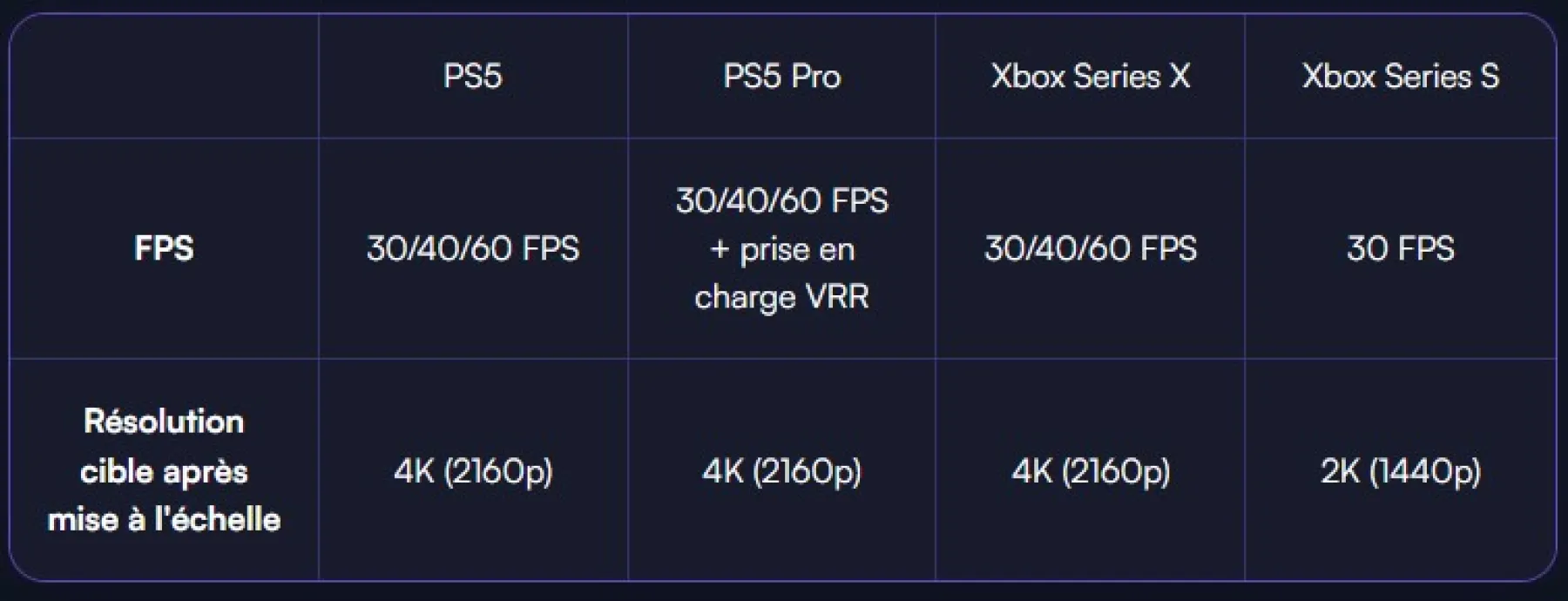
We aim to give the players options when it comes to choosing between graphical fidelity and frame rates. On all platforms, the render resolution is dynamic, and upscaling is used to bring it to the target resolution, to make sure the frame rate stays stable even under load.
Our target resolution is 4K for all platforms except XBox Series S.
And all console platforms get three possible settings - Performance (60 FPS), Balanced (40 FPS) and Quality (30 FPS). PS5 Pro will get additional options and no-frame-cap mode to support VRR displays, and, of course, PC will get a whole slew of various settings to customize your visual fidelity and performance.
For XBox Series S the target resolution is 2K (1440p) and it will only get 30 FPS.
As a handy table:
tableau
Of course, before release some specifics here might change - this table is not set in stone, but it is our “target numbers” right now.
Alexey Drobyshevsky
This final answer clarifies the studio's technical goals, including three graphics modes targeted for PS5 and Xbox Series X, additional features for PS5 Pro, and the announced limitations on Xbox Series S. These targets may still change before the game's release.
By the end of this exclusive interview, Owlcat Games has given us a clearer understanding of the direction The Expanse: Osiris Reborn is taking. The studio aims to build on its experience with narrative RPGs while delivering a more cinematic approach, real-time combat, and an adventure in which player decisions carry meaningful consequences.
Several elements will be worth watching in future showcases, particularly companion relationships, the protagonist's different origins, and the final technical performance targets.
The developers also confirmed that more information about the available romance options will be revealed in the near future.
The INFINITY AREA editorial team would like to thank Leonid Rastorguev, Alexey Drobyshevsky, and everyone at Owlcat Games for their time and for answering our 11 questions.
This exclusive conversation provides a closer look at their vision for The Expanse: Osiris Reborn ahead of the game's release.
ABOUT THE AUTHOR
Florian Prache
Founder and Editor-in-Chief since 2018, specializing in video games and AAA titles. Official Supercell Creator and Monopoly GO content creator partner. Web developer and IGDB Twitch partner.